Thermal insulation is used when heat or cold needs to be kept on the correct side of a structure. In practice, this may mean keeping heat inside a component, preventing cold from escaping into the surrounding environment, or protecting nearby parts from temperature fluctuations.
It is important that the insulation covers the entire surface to be protected. Otherwise, gaps, seams, and penetrations can create cold bridges or heat bridges where energy is more easily conducted through the structure. At Cabseal, we can therefore assist with both material selection and adapting the insulation to the component’s geometry and operating environment.
Right from the startVarious Materials for Thermal Insulation
Cellular polyethylene and cellular rubber have closed-cell structures in which the trapped air contributes to the materials’ insulating properties. At the same time, these materials offer different options in terms of flexibility, shaping, and conforming to the component that needs to be insulated.
Cellular rubber is flexible and is therefore well-suited for use in, for example, pipes, ducts, and components with shapes where the insulation needs to conform to the surface. Cellular polyethylene can be used for both flat and molded insulation components and has low water absorption thanks to its closed-cell structure.
Condensation insulation serves a more specific purpose. When a surface is colder than the surrounding air, the temperature at the surface can drop below the air’s dew point. This causes condensation to form. Insulating the cold surface limits heat exchange while reducing the risk of moisture reaching the surface and condensing there.
Thickness is only one aspect of insulation
More insulation material does not automatically mean that the solution will work well in practice. The material’s thermal conductivity, the thickness of the insulation, and the temperature difference between the component and its surroundings must all be considered together.
The fit is also important. If an insulation detail leaves open seams or does not seal tightly around corners and penetrations, for example, these areas may reach a completely different temperature than the rest of the insulated surface. Therefore, a custom-designed detail may be important when standard sizes do not fit the structure well enough.
Materials we use to manufacture
The Right Materials for the Right NeedsThermal insulation tailored to the component
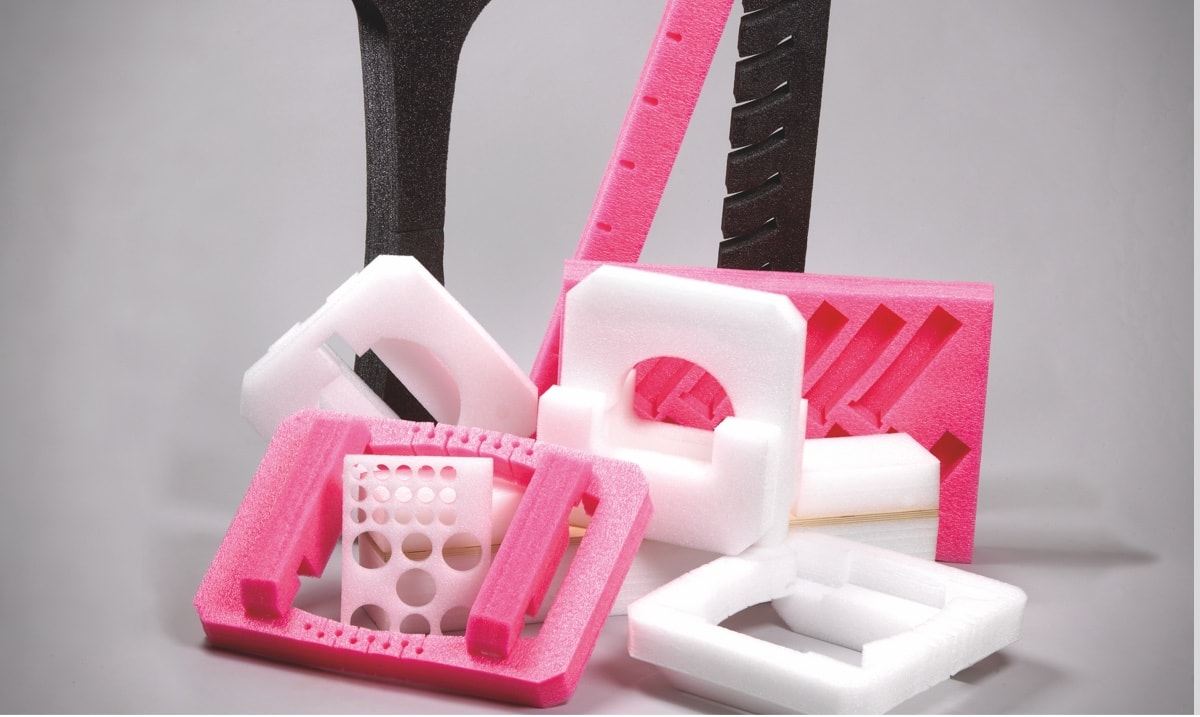
Thermal insulation does not have to consist solely of mats or panels installed on site. The material can be fabricated into insulating components with dimensions and shapes tailored to the specific part where they will be installed. These can include, for example, custom-cut parts for enclosures, machine components, ducts, or other technical structures.
Do you have a component that requires management of temperature, condensation, or heat loss? Please send drawings, dimensions, and information about the temperature conditions to Cabseal. We can then help you determine which insulation material and design are best suited for your application.